Cut from one block
Roughing endmill cutting aluminium
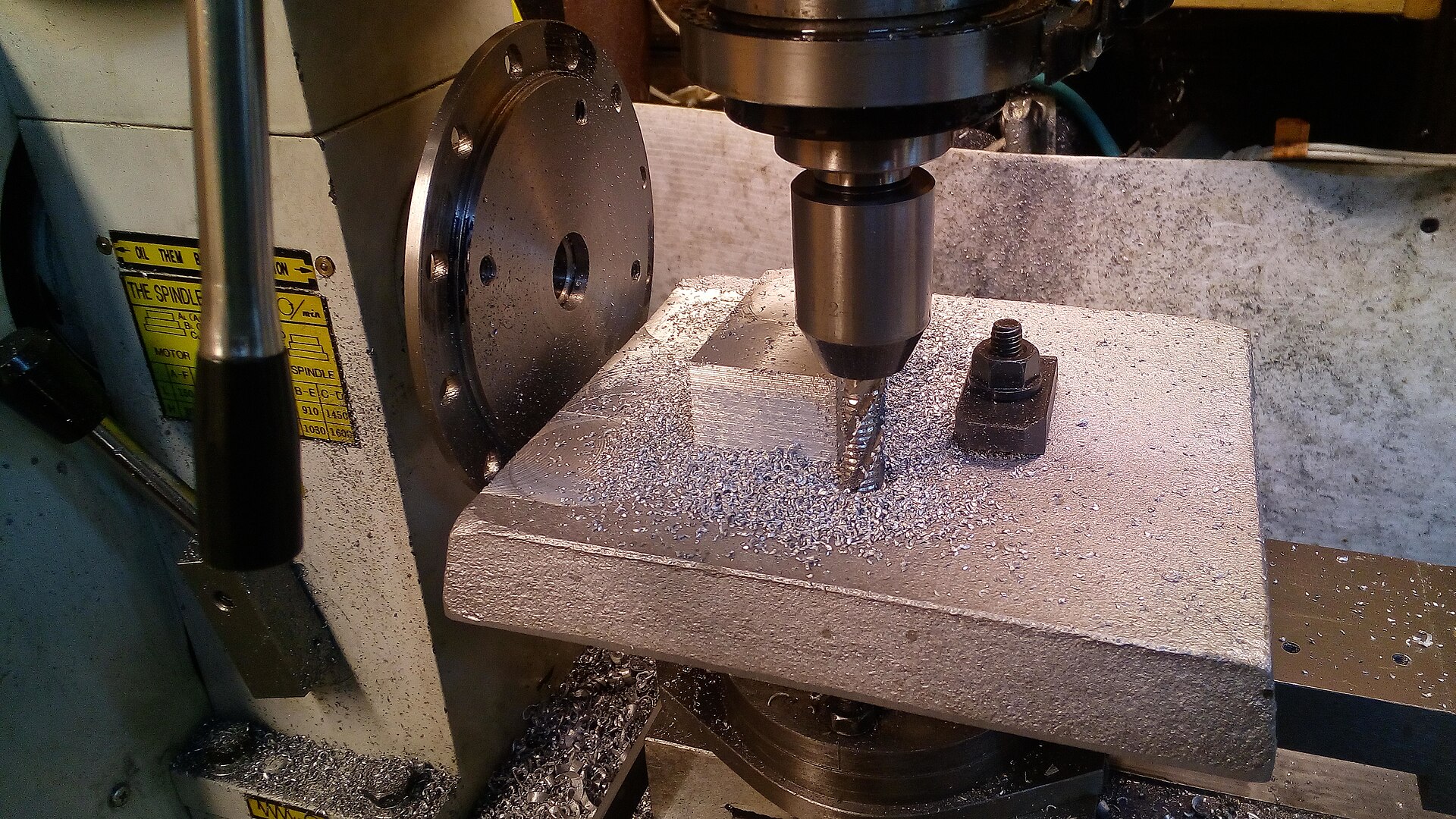
The case starts as a 1.4 kg slab of 6063 aluminium and leaves the mill at 720 g. Forty minutes per case, then bead-blasted and anodised in the colourway you pick.
What's insideA 65% aluminium mechanical keyboard. Hot-swap, three switches, four colourways, one price: €189.
Roughing endmill cutting aluminium
The case starts as a 1.4 kg slab of 6063 aluminium and leaves the mill at 720 g. Forty minutes per case, then bead-blasted and anodised in the colourway you pick.
What's insideTypewriter keys, Ralph Steiner, 1921
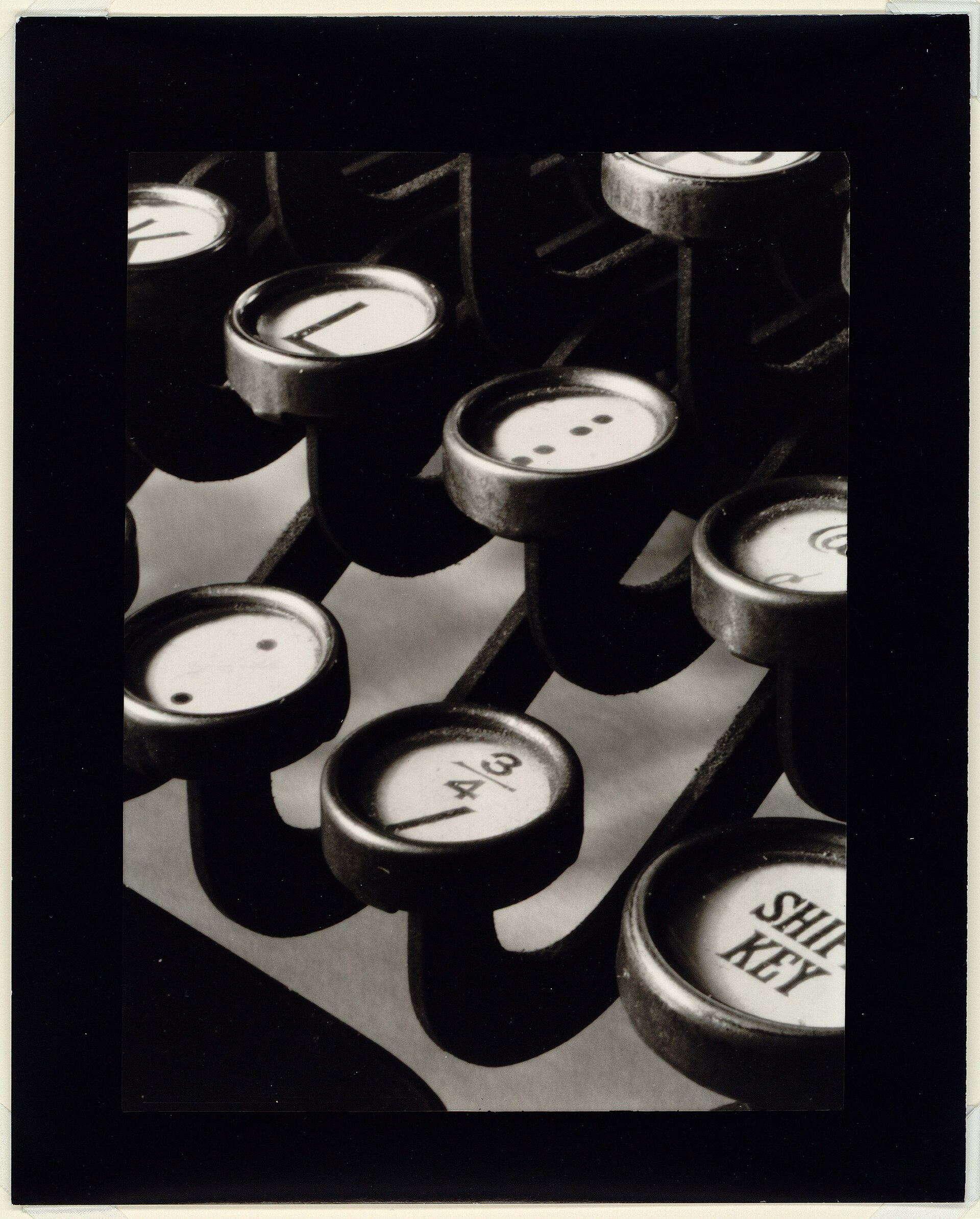
The typewriter made a key something you press to the bottom. The Kestrel keeps that: 4 mm of travel, a stabilised spacebar and a sound you can choose.
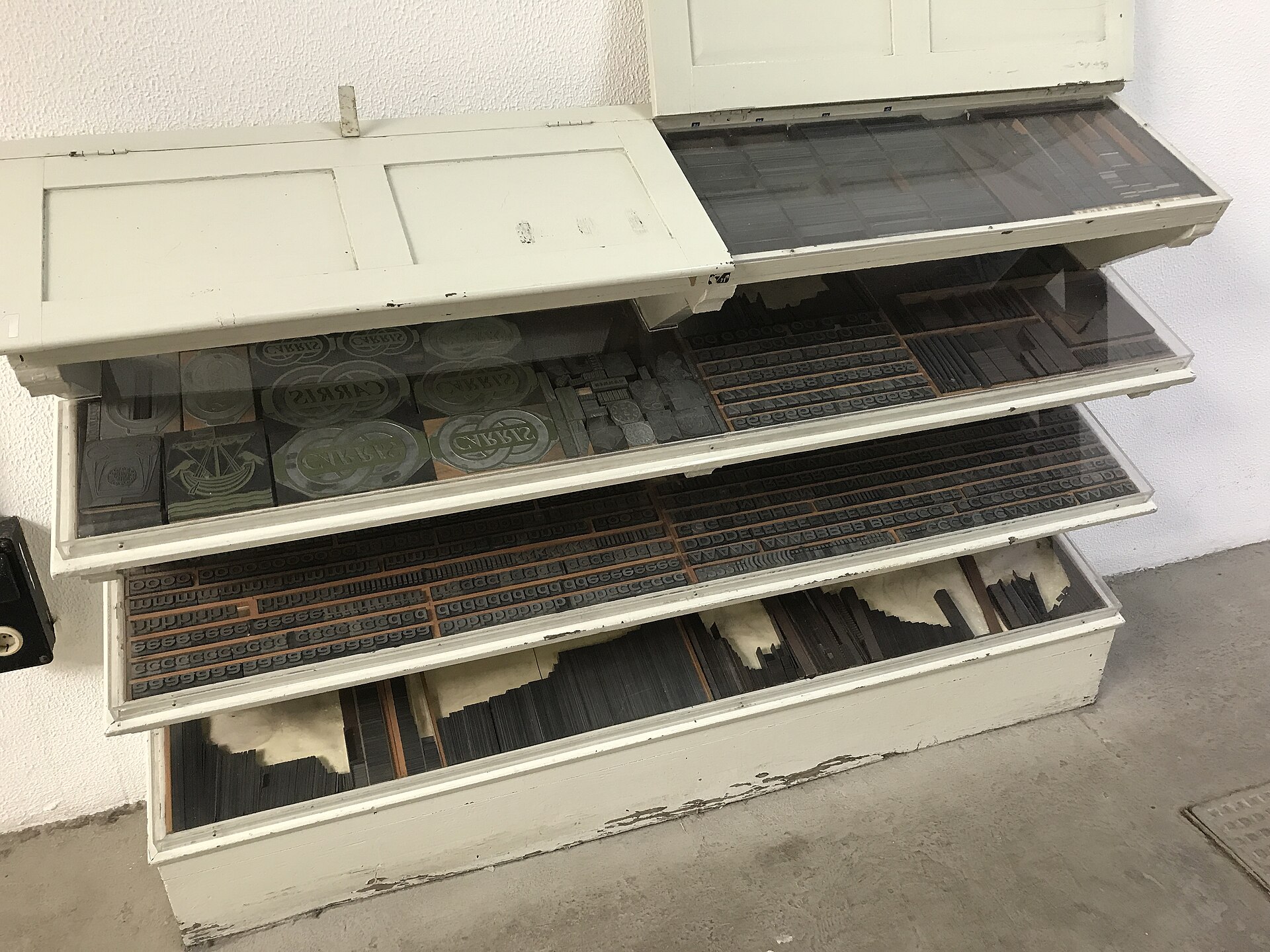
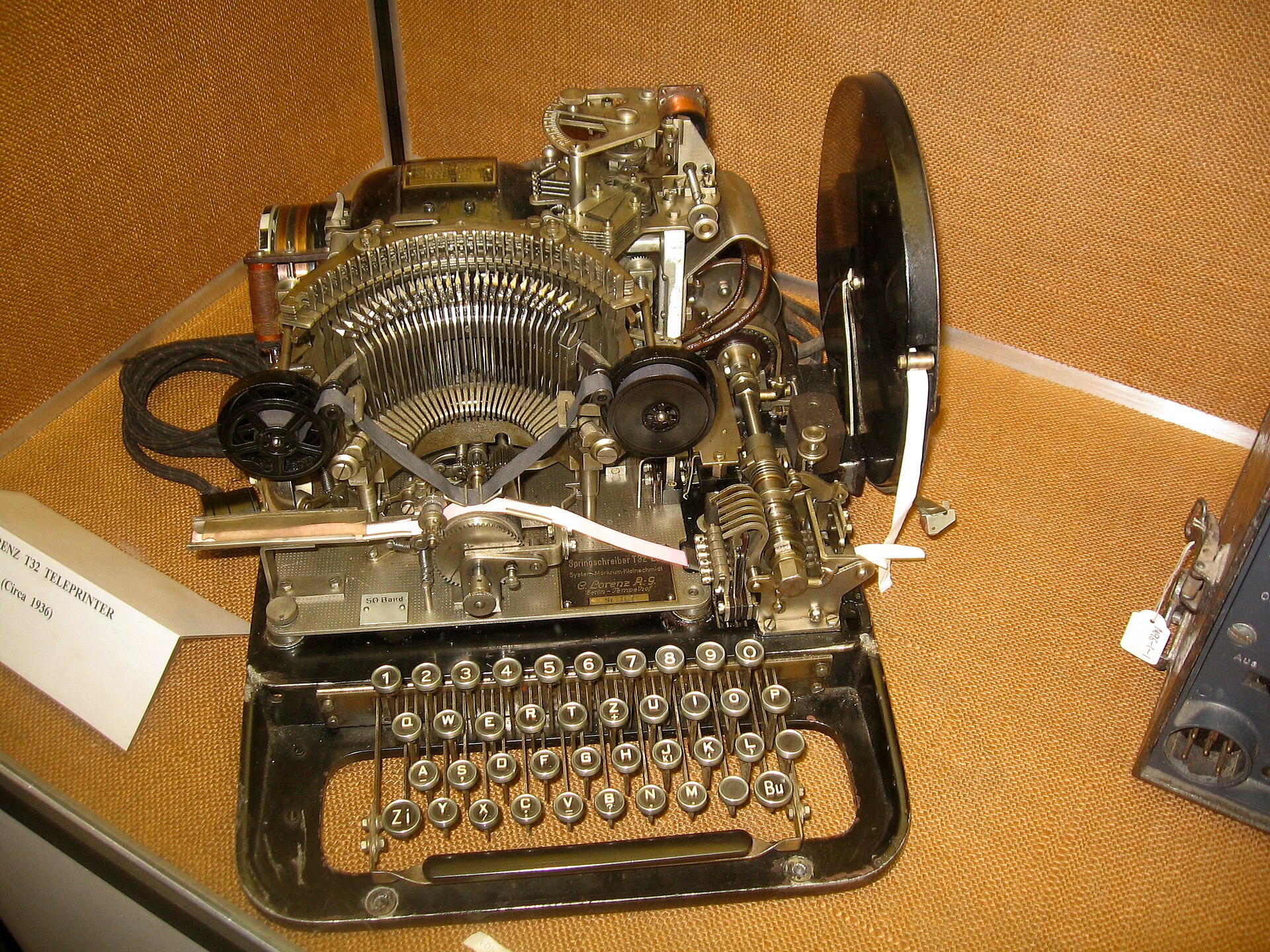
Pick a soundEast German teletype keyboard
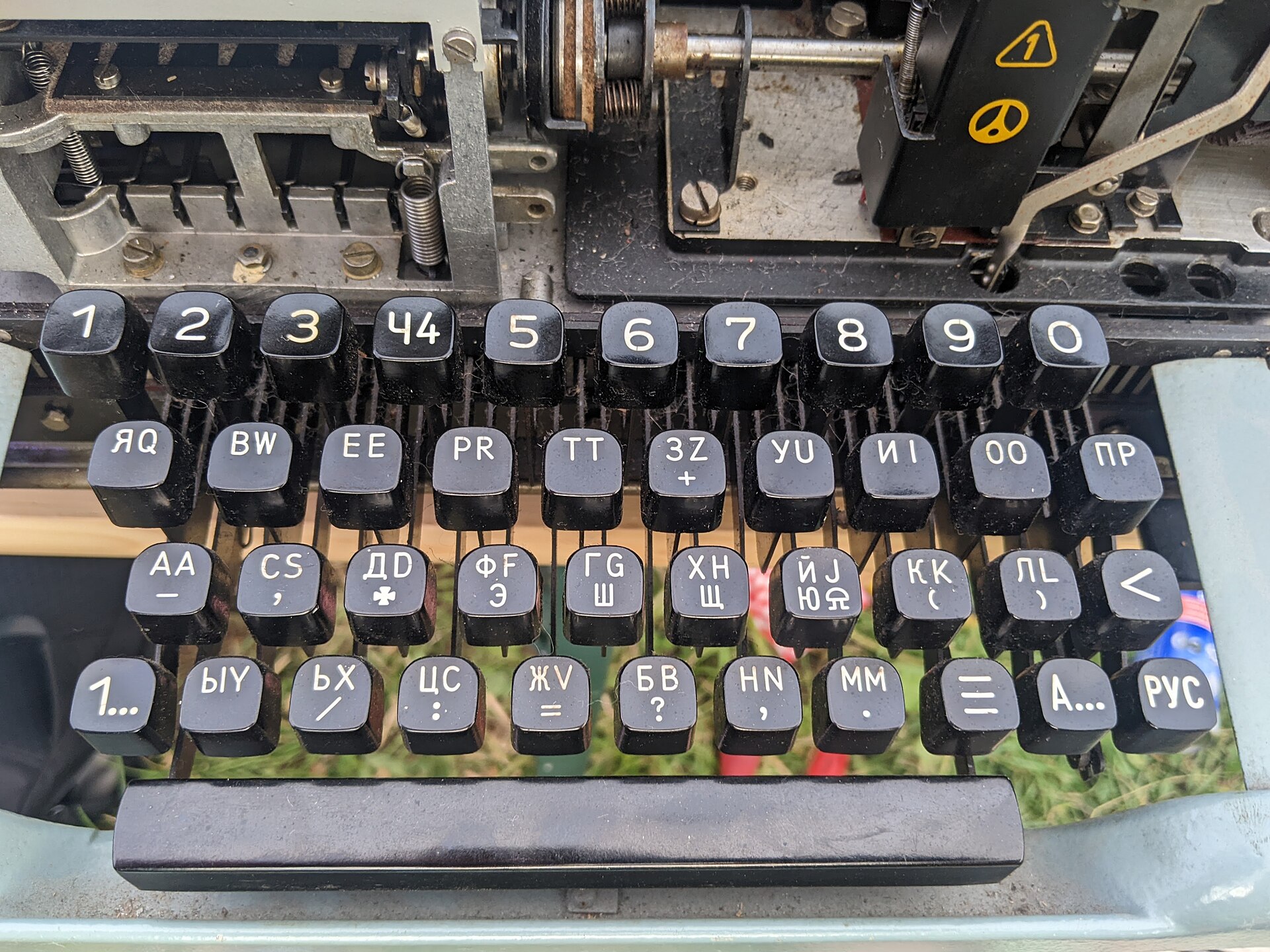
Teletypes carried two alphabets on one key. The Kestrel carries four layers, set in the browser with no app to install, saved on the board itself.
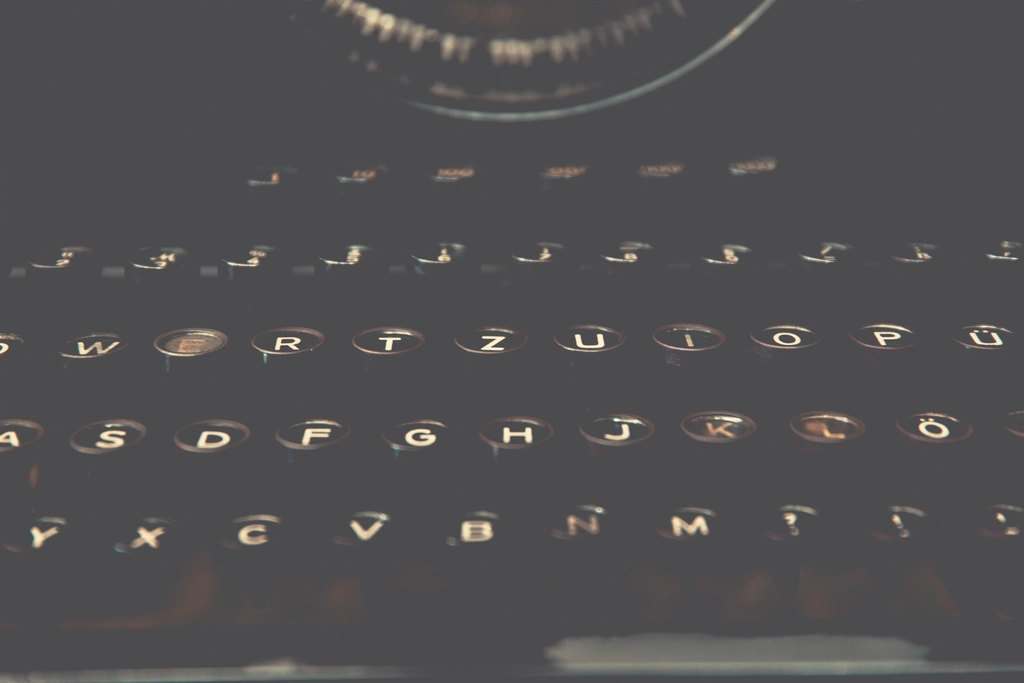
Set it upOlivetti Dora portable typewriter, 1960s
Each Kestrel is typed on for an hour before it ships: every key, every layer, a full page of text. If one key feels different, the board goes back to the bench.
Order oneSix parts, nothing glued. Every one comes out with the tool that ships with it.
Dye-sublimated, 1.5 mm walls
CNC-milled, 720 g, four finishes
Any 3- or 5-pin MX switch
1.8 m, braided, aviator plug
Soften the bottom-out, kill the ping
Steel, in the lid of the box
Every Kestrel ships with one set of switches fitted and the sockets to swap them in a minute. Point at a switch to see inside it; choose one and the board above changes.
No soldering, no drivers. The board ships assembled; everything after that is optional, and every step can be undone.
Lift the lid: the board, the coiled cable and the puller are in their own cut-outs. The switches are already seated.
Hook the puller under any cap and lift straight up. Swap Escape for the magenta one, or move them all around.
Squeeze the two clips with the other end of the puller. A new switch presses in with your thumb; the sockets are rated for 100 swaps.
USB-C into anything with a port: Windows, macOS, Linux, iPad. It works as a plain keyboard before you change a thing.
Open the configurator in Chrome or Edge, move keys between four layers and write them to the board. Nothing runs in the background.
Case, plate, gaskets, 68 PBT keycaps, your choice of switch, the coiled cable and the puller. Shipped from our workshop in five working days, two-year warranty, 30 days to send it back.
It drops the number pad and the function row and keeps arrows, Delete, Page Up and Page Down. F1 to F12 sit on the number row under Fn. Most people stop noticing within a week.
Kite if you game or type fast and want silence. Hover if you write all day and like to feel each key land. Stoop if you want everyone to know you are working. You can swap later.
No. It is wired on purpose: no battery to wear out, no pairing, 1 ms polling. The coiled cable detaches at the aviator plug so the board travels light.
Yes. The Kestrel takes any MX-stem set with a standard 65% kit: a 2.25 u left shift, a 1.75 u right shift and a 6.25 u spacebar.
From our workshop. Orders leave within five working days; delivery inside the EU takes two to four more, and duties are included in the price.